Along Narrow Lines.
Narrow Gauge Railway Journeys
Narrow Gauge Railway Journeys. Explore Britain’s narrow gauge railways through scenic journeys, heritage steam trains, Welsh mountain railways, and nostalgic coastal travel.
If you enjoy railway travel, nostalgic journeys, and places where the journey matters as much as the destination, you’ll find reflections, route ideas, and railway pages to help you explore Britain’s narrow gauge world.
About Along Narrow Lines
Along Narrow Lines began with a simple idea: that some journeys are better when they are taken slowly.
I’m a railway traveller with a particular love for narrow gauge railway journeys — the slower, quieter lines that reveal landscapes, memories, and details larger railways often miss. Through Along Narrow Lines, I share scenic routes, reflections, and travel experiences from Britain’s narrow gauge world, with a focus on the journey as much as the destination.
In a world that often feels hurried and noisy, narrow gauge railways offer something very different. They wind quietly through mountain passes, along estuaries, beside forests and across remote stretches of countryside that larger railways rarely reach. These are railways built for landscapes rather than speed — places where the rhythm of the journey matters just as much as the destination.
From the steam trains of Snowdonia to forgotten coastal railways and nostalgic miniature lines beside the sea, Along Narrow Lines is a quiet exploration of Britain’s narrow gauge world. Some journeys begin in bustling stations and end deep in the mountains. Others follow sleepy coastal routes where the sea appears beside the train window for miles at a time. Many carry echoes of childhood holidays, old travel books, family memories, and a slower kind of travel that still survives in certain corners of Britain.
This site follows scenic railway journeys across Wales and beyond, combining heritage rail travel, landscape, history, photography, and the simple pleasure of watching the countryside unfold from a carriage window. It is not a technical railway archive or a checklist of locomotives. Instead, it is a place for thoughtful journeys, quiet discoveries, and the kind of travel that encourages you to pause, look out of the window, and enjoy the journey itself.
Whether you are already passionate about narrow gauge railway journeys or simply curious about exploring Britain differently, I hope these pages encourage you to slow down a little and travel along narrow lines.
Why Narrow Gauge Railway Journeys Feel Different
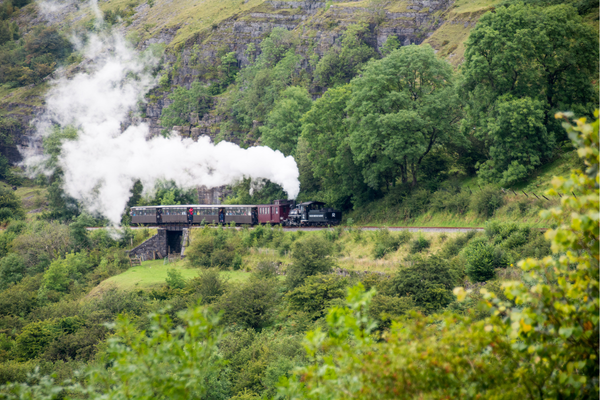
There is something about narrow gauge railways that feels quieter and more personal than ordinary train travel.
Perhaps it is their scale. The stations are often smaller, the carriages more intimate, and the journeys themselves slower and more deliberate. These railways were rarely built for speed or prestige. Many were created to serve slate quarries, remote villages, forests, harbours, and communities hidden deep within mountains or along lonely stretches of coastline. Today, travelling on them can feel less like modern transport and more like stepping gently into another rhythm of life.
Unlike larger mainline railways that often rush through the landscape, narrow gauge lines seem to belong to the places they travel through. They curve around hillsides, follow rivers, cross estuaries, disappear into woodland, and climb gradually into mountains. From the carriage window you notice details that faster journeys often miss: sheep scattered across distant slopes, old stone bridges hidden among trees, sea mist drifting across the sand, or the sound of the locomotive echoing through a valley.
Many of these railways also carry remarkable stories within them. Some helped shape entire industries during the great age of slate and mining in Wales. Others survived only because volunteers refused to let them disappear. The preservation of lines such as the Talyllyn Railway helped inspire the heritage railway movement itself, ensuring that future generations could continue to experience these journeys long after their original industries faded away.
But beyond the history and engineering, narrow gauge railways often awaken something more emotional and difficult to describe. For many people, they carry a sense of nostalgia — memories of childhood holidays, seaside excursions, old family photographs, or simpler forms of travel that seem increasingly rare today. Even for first-time visitors, there is often a feeling that these railways belong to a slower and more thoughtful age.
Perhaps that is why so many people return to them again and again. Not simply to ride the trains, but to reconnect with landscapes, memories, and the quiet pleasure of travelling without hurry. Along narrow lines, the journey itself still matters.
The Wales Narrow Gauge Grand Tour
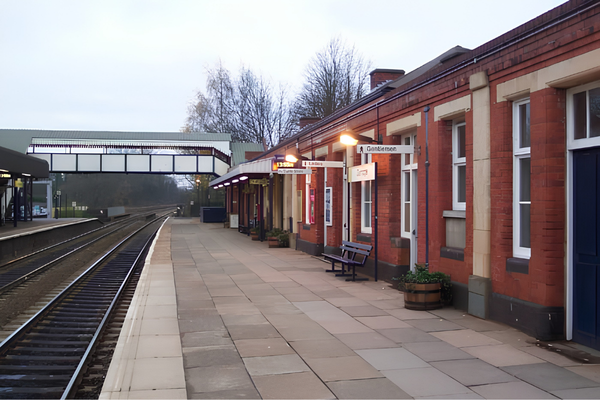
Every journey has to begin somewhere, so it begins at Dorridge.
Although Along Narrow Lines is still in its early days, one particular journey already sits quietly at the heart of the site — a planned railway adventure across Wales that I hope to undertake in the near future. Part scenic holiday, part railway pilgrimage, and part return to places filled with personal memories, this journey will follow some of the most beautiful narrow gauge railways in Britain.
The plan is simple in spirit, even if the route itself winds through mountains, coastlines, estuaries, and small seaside towns. Travelling entirely by rail from Dorridge, the journey will gradually make its way west into Mid Wales before turning north along the Cambrian Coast and eventually into the dramatic landscapes of Snowdonia.
Along the way, the route will include:
- Aberystwyth and the beautiful Vale of Rheidol Railway to Devil’s Bridge
- The historic Talyllyn Railway, birthplace of railway preservation
- A nostalgic overnight stop in Fairbourne and a return visit to the much-loved Fairbourne Railway
- The remarkable narrow gauge world centred around Porthmadog, including the Ffestiniog Railway and Welsh Highland Railway
- And finally the ascent into the mountains aboard the Snowdon Mountain Railway
More than simply a checklist of railway lines, I hope this journey will capture something of the atmosphere that makes narrow gauge travel so memorable: the slower pace, the changing landscapes, the rhythm of travelling by train, and the quiet moments that happen between destinations.
Over time, this section of the site will grow into a collection of travel journals, photographs, route notes, station visits, reflections, and individual railway pages documenting the journey as it unfolds. In many ways, this planned tour will become the anchor journey for Along Narrow Lines — the route from which many future journeys may eventually branch outward.
For now, though, the journey remains just ahead on the horizon: maps being studied, railway timetables checked, and stations quietly imagined long before the first train departs.
Explore Britain’s Narrow Gauge Railways
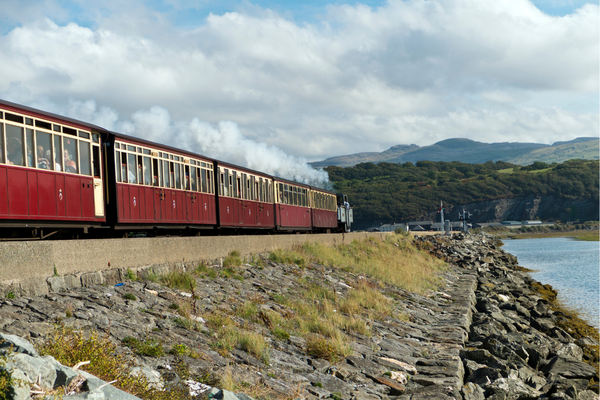
Check back here for articles on:-
Welsh Narrow Gauge Railways
Travel-focused articles.
Heritage Railway Guides
Practical information.
Railway Photography & Atmosphere
Railway Nostalgia & Memories
Travelling Slowly Along Narrow Lines
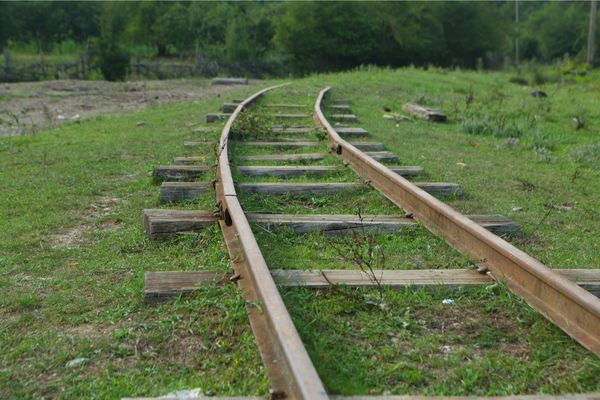
There are faster ways to travel, of course.
Modern life often encourages us to move quickly, arrive efficiently, and focus almost entirely on destinations. Journeys become things to complete rather than experiences to remember. Yet narrow gauge railways seem to quietly resist that way of thinking. They ask something different from us. They ask us to slow down.
Perhaps that is part of their enduring appeal.
Narrow gauge railway journeys rarely feels hurried. The trains curve patiently through valleys, pause at tiny rural stations, follow coastlines, and climb gradually into landscapes that larger railways often bypass altogether. The slower pace changes the way you notice the world outside the carriage window. You begin to observe things that might otherwise pass unseen: drifting sea mist above an estuary, sunlight moving across a hillside, old station lamps glowing in the evening, or the distant sound of a steam whistle echoing through the mountains.
Travelling this way also reconnects us with places themselves. Not simply famous destinations, but the quieter spaces in between: small harbour towns, forgotten branch lines, coastal villages, and stations that still feel deeply connected to their surroundings. Many narrow gauge railways seem rooted within the landscape rather than imposed upon it, almost as though they grew naturally from the valleys, forests, and mountains they pass through.
There is nostalgia here too, although not entirely in the sentimental sense. For some people, these railways awaken memories of childhood holidays, family excursions, or old journeys long before travel became dominated by speed and schedules. For others, the nostalgia is gentler and harder to define — a feeling that somewhere along these lines survives a quieter rhythm of life that has largely disappeared elsewhere.
That is one reason Along Narrow Lines is less interested in treating railways as a checklist to complete. There are already many excellent sites dedicated to locomotive numbers, rolling stock, technical specifications, and operational details. Those things certainly have their place, and part of the joy of heritage railways lies in the dedication that keeps them alive. But this site is really about the experience of the journey itself: the atmosphere of travelling slowly, the landscapes beyond the carriage windows, the stations at the edge of the sea, and the sense of discovery that still exists on smaller railways.
In many ways, narrow gauge travel encourages a different kind of attention. It invites us to pause for a while, look more carefully at the world around us, and rediscover the simple pleasure of travelling not simply to arrive somewhere, but to experience the journey along the way.
Narrow Gauge Railway Journeys.
Slow down. Watch the train arrive. Travel along narrow lines.